
Finding time to prepare lunch every day can be difficult, especially when work, commuting, and other responsibilities leave little time for shopping and meal preparation.
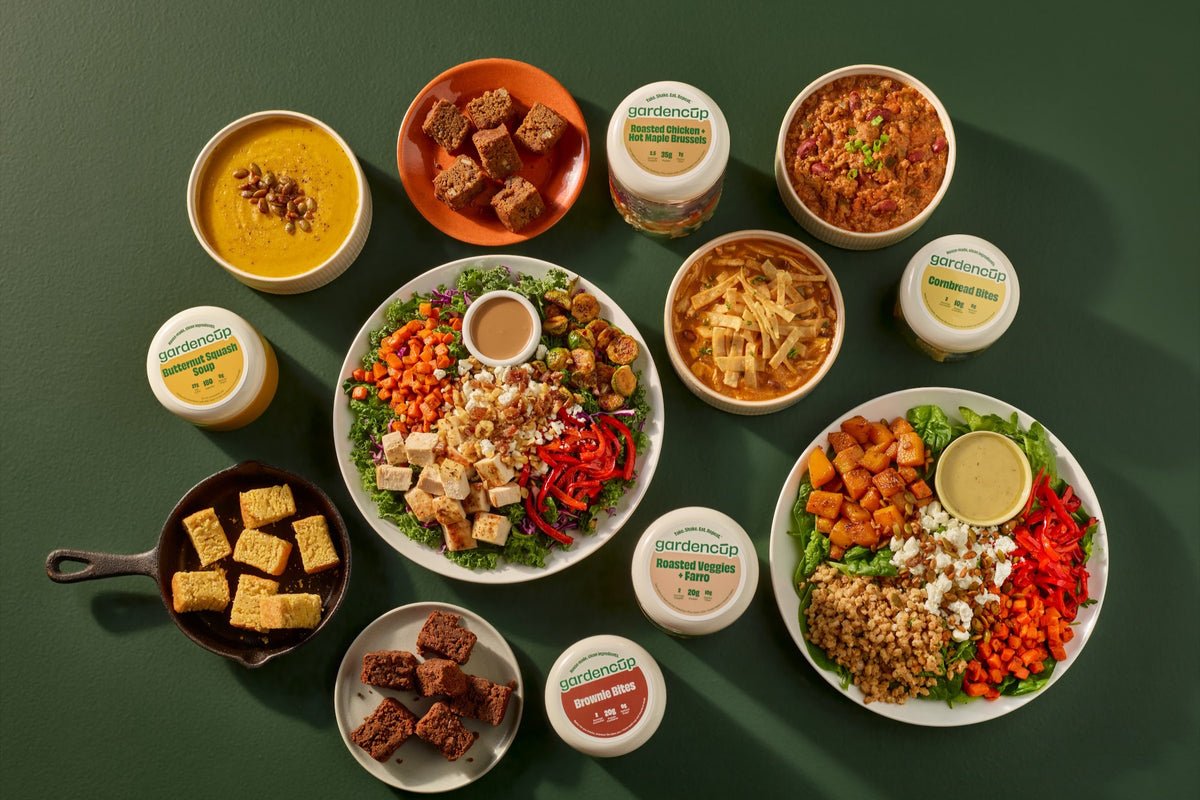
Gardencup is a meal delivery service built around fresh, ready-to-eat salads, grain bowls, soups, and snacks. Its products arrive in individual cups, with toppings and dressings packaged separately where applicable, allowing customers to assemble a meal quickly without preparing ingredients from scratch.
But is Gardencup worth considering? This review explores its menu, subscription model, pricing, delivery process, freshness policy, and potential drawbacks to help you decide whether the service fits your lifestyle.
What Is Gardencup?
Gardencup is a US-based meal delivery service focused on convenient, ready-to-eat meals made with fresh produce and other prepared ingredients.
Unlike traditional meal kits that require customers to cook and assemble recipes, Gardencup delivers individual portions intended to be ready when needed. Customers can choose from salads, grain bowls, soups, breakfast cups, snacks, and other items, depending on the current menu.
The company describes its meals as nutrient-dense and designed to simplify everyday eating. Product pages provide ingredient lists and nutrition panels so customers can review the ingredients and nutritional information for individual recipes.
Gardencup also uses a recurring delivery model. Customers can build a custom pack, choose a delivery frequency, and manage future orders through their accounts.
The service currently delivers throughout the United States. Customers should confirm availability and delivery conditions at checkout before placing an order.
Explore the official Gardencup website to browse the current menu and build a pack.
What Does Gardencup Offer?
1. Ready-to-Eat Salads
Salads are at the center of Gardencup’s product range. The menu includes options with chicken, vegetables, grains, cheese, nuts, seeds, and dressings.
Popular recipes include Southwest with Fajita Chicken, Chicken Bacon Cobb, Caesar with Grilled Chicken, Mediterranean with Grilled Chicken, Caprese, Asian Chopped Salad, and Garden Harvest.
Each recipe has its own ingredient combination and nutrition profile. For example, the Southwest with Fajita Chicken includes leafy greens, tomatoes, bell peppers, black beans, corn, seasoned chicken, and avocado ranch dressing.
The cup format keeps ingredients organized, with toppings and dressing separated where applicable. Customers can add the dressing, shake the container, and eat directly from the cup or transfer the meal to a bowl.
This format may be convenient for office lunches, commuting, or days when preparing a salad from individual ingredients is impractical.
Best for: People who want a prepared salad for lunch or a convenient meal between daily activities.
Browse the official Gardencup menu for the available salad recipes.
2. Grain Bowls and More Substantial Meals
Gardencup also offers grain bowls and other prepared meals that provide an alternative to leafy salads.
These options combine ingredients such as grains, vegetables, proteins, and sauces. The exact composition varies by recipe, so customers can compare ingredients and nutrition information according to their preferences.
A grain bowl can be useful for people who want variety in their lunch routine or prefer meals with more substantial ingredients than a conventional salad.
However, portion size, protein content, carbohydrate content, and calories differ between recipes. Check the product’s nutrition panel if you are tracking specific dietary targets.
Best for: Customers who want a convenient prepared lunch with a mix of grains, vegetables, and optional protein.
3. Soups and Hearty Meals
The menu includes soups and other heartier options, giving customers alternatives to cold salads.
Examples listed on the current store include Butternut Squash Soup, Classic Beef Chili, White Chicken Chili, and seasonal prepared meals.
Some products are designed to be heated before eating. In those cases, follow the instructions on the product page and transfer the food into an appropriate microwave-safe bowl rather than placing the plastic cup in the microwave.
The availability of individual soups and seasonal dishes can change as the menu rotates.
Best for: Customers who want a warm lunch or a different meal format during colder weather and seasonal menu periods.
4. Breakfast Cups, Chia Pudding, and Snacks
Gardencup also sells breakfast and snack products such as Chocolate Strawberry Chia Pudding, Apple Crumble Overnight Oats, Berry Parfait, and other snack cups.
These products can be convenient for busy mornings, afternoon snacks, or adding variety to a prepared-food order.
The nutrition information varies considerably. Some options include protein and fiber, while others are more dessert-oriented. Check the ingredients and nutrition panel instead of assuming every snack meets the same dietary goals.
For customers who want a more complete weekly selection, breakfast cups and snacks can complement the main salads and bowls.
Best for: People who want convenient breakfast options and prepared snacks in addition to lunch.
5. Vegetarian and Vegan Options
Gardencup offers vegetarian and vegan choices within its rotating menu.
Examples include Garden Harvest Vegan Salad and other vegetable- and grain-based recipes. The menu also provides protein-based variations for selected meals.
This flexibility can help customers choose options that better fit their preferences without relying exclusively on meat-based salads.
However, vegetarian and vegan suitability should be confirmed for each product. Ingredients, dressings, toppings, and recipe formulations differ, and menu availability can change.
Anyone with a food allergy should read the complete ingredient and allergen information. Gardencup notes that its kitchen handles several common allergens, so customers with severe food allergies should exercise particular caution.
Best for: Customers seeking plant-based choices or a mix of vegetarian and meat-containing meals.
Explore the current menu on the official Gardencup store.
How Does Gardencup Work?
Gardencup’s subscription model allows customers to create a custom pack and schedule recurring deliveries.
Step 1: Build Your Pack
Customers browse the menu and select the meals or snacks they want. The available pack sizes shown on Gardencup’s pages include six-, nine-, and twelve-cup options, although the choices presented can vary by ordering flow.
Depending on the current menu, customers can combine salads, grain bowls, soups, breakfast items, and snacks within their selected pack.
Step 2: Choose a Delivery Frequency
Gardencup offers recurring weekly and biweekly delivery schedules.
The subscription model is designed to keep ready-to-eat meals available in the fridge without requiring a new checkout process for every delivery.
Taxes and shipping may apply, and the final price depends on the selected items and pack configuration.
Step 3: Receive the Delivery
The company says orders are assembled fresh and shipped in insulated packaging with ice packs intended to keep the food cold during transit.
Delivery days depend on location and the fulfillment schedule. The retailer generally asks customers to inspect deliveries promptly and refrigerate the meals as soon as possible.
Step 4: Eat and Manage Future Orders
Most Gardencup salads can be eaten without preparation. Customers can add included toppings or dressing, shake the cup, and eat directly from the container.
Subscriptions can also be edited, skipped, paused, or canceled through the customer account, subject to the order-processing cutoff.
Review the official How It Works page before choosing a pack.
How Much Does Gardencup Cost?
Gardencup prices vary by recipe and meal type. The service sells individual items through a custom pack, so the total depends on the selected meals, pack size, shipping, and any applicable taxes.
The following prices were displayed on official product pages during research:
| Product | Reference price | Type |
|---|---|---|
| Southwest with Fajita Chicken | $15.28 | Prepared salad |
| Chocolate Strawberry Chia Pudding | $11.75 | Breakfast or snack cup |
| Apple Crumble Overnight Oats | $11.75 | Breakfast cup |
These are reference prices shown on the official website, not guaranteed checkout prices. Promotions, updated recipes, and changes in the menu can affect what customers pay.
The cost per cup can be higher than buying raw ingredients at a supermarket. In exchange, customers receive prepared portions, ingredient preparation, and delivery.
To determine whether the service fits your budget, compare the total pack cost with the number of meals you expect to eat, rather than looking only at the price of an individual cup.
Review the current Gardencup menu to see available items and prices.
How Fresh Are Gardencup Meals?
Freshness is a major part of Gardencup’s service. The company states that meals are assembled close to shipping and packed in an insulated box with ice packs.
Its product pages commonly recommend enjoying salads within approximately five to six days after delivery, although the actual period depends on the product and its ingredients.
Customers should refrigerate the meals promptly upon arrival and follow the storage directions on each product page. Certain soups and chia pudding products may be suitable for freezing, but this should not be assumed for every item.
Gardencup Fresh Guarantee
Gardencup publishes a Fresh Guarantee for delayed shipments and food that arrives in compromised condition.
The current refund policy requires customers to report eligible problems within 24 hours of delivery. The company asks for photos or video of the opened package and affected cups, along with the order number and packing slip.
Depending on the situation, an approved claim may lead to a replacement or store credit. The policy also states that refunds to the original payment method may be available in specified circumstances.
Because the products are perishable, Gardencup generally does not accept returns for unwanted items outside the stated guarantee.
Practical tip: Inspect the delivery when it arrives, take photographs if there is a problem, refrigerate the food promptly, and contact customer support within the stated claim window.
Read the official Gardencup Fresh Guarantee and refund policy for the current requirements.
What Are the Advantages of Gardencup?
1. Minimal Preparation
Gardencup meals are designed to be ready to eat. Customers do not need to wash and chop vegetables, prepare dressings, or assemble every ingredient from scratch.
This convenience can be valuable for busy workdays, travel between appointments, or situations where access to a full kitchen is limited.
2. A Customizable Menu
The service allows customers to select meals according to their preferences rather than receiving an identical fixed menu every week.
The rotating selection includes salads, grain bowls, soups, breakfast cups, and snacks, with vegetarian and vegan choices available on the menu.
3. Portable Packaging
The individual cups are designed for storage and on-the-go use. Dressings and toppings are separated where applicable, helping customers mix the ingredients shortly before eating.
Gardencup states that its cups are reusable and made from #1 PET plastic, with recyclable packaging components. Its support pages also provide guidance for reusing or repurposing the containers.
4. Subscription Flexibility
Customers can change their upcoming pack, adjust delivery frequency, skip an order, or cancel from their account before an order is processed.
This can be useful for people whose meal needs change from week to week.
The subscription remains an auto-renewing service, however, so customers should understand the charge schedule and manage changes before the order-processing cutoff.
What Are the Potential Drawbacks?
1. The Cost Can Add Up
Prepared meals and home delivery generally cost more than buying ingredients in bulk and preparing meals yourself.
Shipping charges can also increase the total, depending on the order. Compare the full delivered cost against your usual lunch spending before committing to frequent orders.
2. Fresh Food Has a Limited Shelf Life
Gardencup meals are perishable and typically need to be consumed within several days after delivery.
Customers who eat lunch away from home only occasionally may find it difficult to finish a larger pack before the recommended freshness window ends.
Consider how many meals you realistically eat each week when selecting the pack size.
3. Delivery Timing Matters
Food quality depends on the order arriving in acceptable condition and being refrigerated promptly.
The company uses insulated packaging and offers a Fresh Guarantee, but delivery delays can still occur. Customers need to inspect shipments and report eligible problems within the required time window.
4. A Subscription Requires Attention
Weekly or biweekly auto-shipment is convenient, but it also means orders can recur automatically.
Customers must make changes before the order is processed to avoid a future delivery. Canceling a subscription does not automatically cancel an order that has already entered production.
Anyone who only wants occasional meals should review the account management process before placing an order.
5. Dietary and Allergen Suitability Varies
Not every meal is suitable for every dietary preference. Ingredients, protein content, calories, allergens, and nutritional values vary between recipes.
Gardencup states that its kitchen handles common allergens, including milk, eggs, soy, wheat, fish, shellfish, peanuts, and tree nuts. Customers with severe allergies should review product information carefully and contact support if they need clarification.
The menu is intended to make convenient meals easier, but it should not be treated as a personalized medical nutrition plan.
What Do Customer Reviews Say About Gardencup?
Customer feedback about Gardencup is mixed.
The Trustpilot profile displayed a score of approximately 3.4 out of 5 from 94 reviews when checked in October 2026. The platform’s review summary identifies convenience, taste, and responsive customer support among positive themes. Other reviews mention delivery delays, wilted greens, portion preferences, shipping costs, and concerns about the subscription experience.
This score is a snapshot and may change as new reviews are published. It is also not an independent assessment of the nutritional quality of every meal.
For a service that delivers fresh food, recent reviews about delivery timing and product condition are particularly relevant. Read a mix of positive and negative feedback rather than relying on a single rating.
See Gardencup’s Trustpilot reviews for the latest customer experiences.
How to Manage or Cancel a Gardencup Subscription
Gardencup allows subscribers to manage future deliveries through the customer account.
According to the official subscription guidance, customers can change the contents of a pack, update the pack size, switch between weekly and biweekly delivery, skip a delivery, or cancel their subscription.
However, these changes must be made before the relevant charge date or processing cutoff. Once an order is processed, the company states that changes may no longer be possible, and canceling the subscription does not cancel orders that have already been processed.
Customers can also opt in to notifications about upcoming charges, which the company says may be sent two to three days in advance by email and SMS.
Before subscribing, review the account controls and understand when the next charge is scheduled.
Read the official subscription terms and cancellation instructions.
Who Should Consider Gardencup?
Gardencup may be worth considering for:
- Busy professionals: People who need a ready-to-eat lunch without daily preparation.
- Remote workers: Customers who want convenient meals available in the fridge during the workweek.
- People who eat salads regularly: Those who value variety and want different ingredients without buying each component separately.
- Customers looking for meal variety: People who want salads, grain bowls, soups, and snacks from one menu.
- Those who prefer scheduled delivery: Customers who like receiving food every week or every other week.
Gardencup may be less suitable for people who prioritize the lowest possible food cost, prefer cooking meals from scratch, have difficulty consuming fresh food within several days, or need highly specific medical dietary controls.
It is also designed around US delivery, so customers outside the service area should not assume they can receive orders.
Frequently Asked Questions
Is Gardencup worth the money?
It may be worth considering if the convenience of ready-to-eat meals saves enough time to justify the cost. Compare the total pack price, shipping charges, and the number of meals you will realistically consume before they lose freshness.
Does Gardencup deliver nationwide?
The company states that it delivers across the United States. Delivery availability and timing depend on the address and fulfillment schedule, so confirm the destination during checkout.
Does Gardencup require a subscription?
The service is built around recurring weekly or biweekly orders. Customers can manage, skip, pause, or cancel future deliveries through their account, subject to the processing cutoff.
How long do Gardencup meals last?
The company recommends enjoying many salads within five to six days after delivery. The precise period varies by product, so follow the storage information on the individual product page.
Are Gardencup meals vegetarian or vegan?
Yes, the menu includes vegetarian and vegan options, but not every product is plant-based. Review the specific ingredient list and dietary information before ordering.
Can I return Gardencup food if I change my mind?
Because the products are perishable, Gardencup generally does not accept unwanted food returns. Its Fresh Guarantee covers qualifying late or compromised deliveries, and claims must be filed within 24 hours with supporting photos or video.
Can I cancel a Gardencup subscription at any time?
The company says subscribers can cancel future deliveries through their account. Changes must be made before the order-processing cutoff, and cancellation does not stop orders that have already been processed.
Final Verdict: Is Gardencup Worth Considering?
Gardencup offers a convenient way to keep prepared salads, grain bowls, soups, and snacks on hand without spending time assembling each meal from scratch.
Its main strengths are the ready-to-eat format, customizable menu, portable containers, and recurring delivery options. For people who regularly buy lunch or value convenience during busy workdays, the service may be a useful alternative to preparing every meal independently.
The main trade-offs are cost, the limited freshness window, delivery considerations, and the need to manage the subscription before each order is processed.
The bottom line: Gardencup is worth comparing if you want convenient, fresh meals delivered on a schedule. Start with a pack size that matches your actual weekly needs, check the total cost including shipping, review ingredient and allergen information, and understand the Fresh Guarantee and cancellation terms before subscribing.
Explore the official Gardencup website to view the current menu and build a custom pack.
Editorial note: This guide is based on publicly available manufacturer information, official support policies, and third-party customer feedback. CatchOffers has not independently tested Gardencup meals or assessed their nutritional suitability for individual dietary needs.

